Behind Every Child Brave Enough to March Stood a Mother Brave Enough to Let Them Go
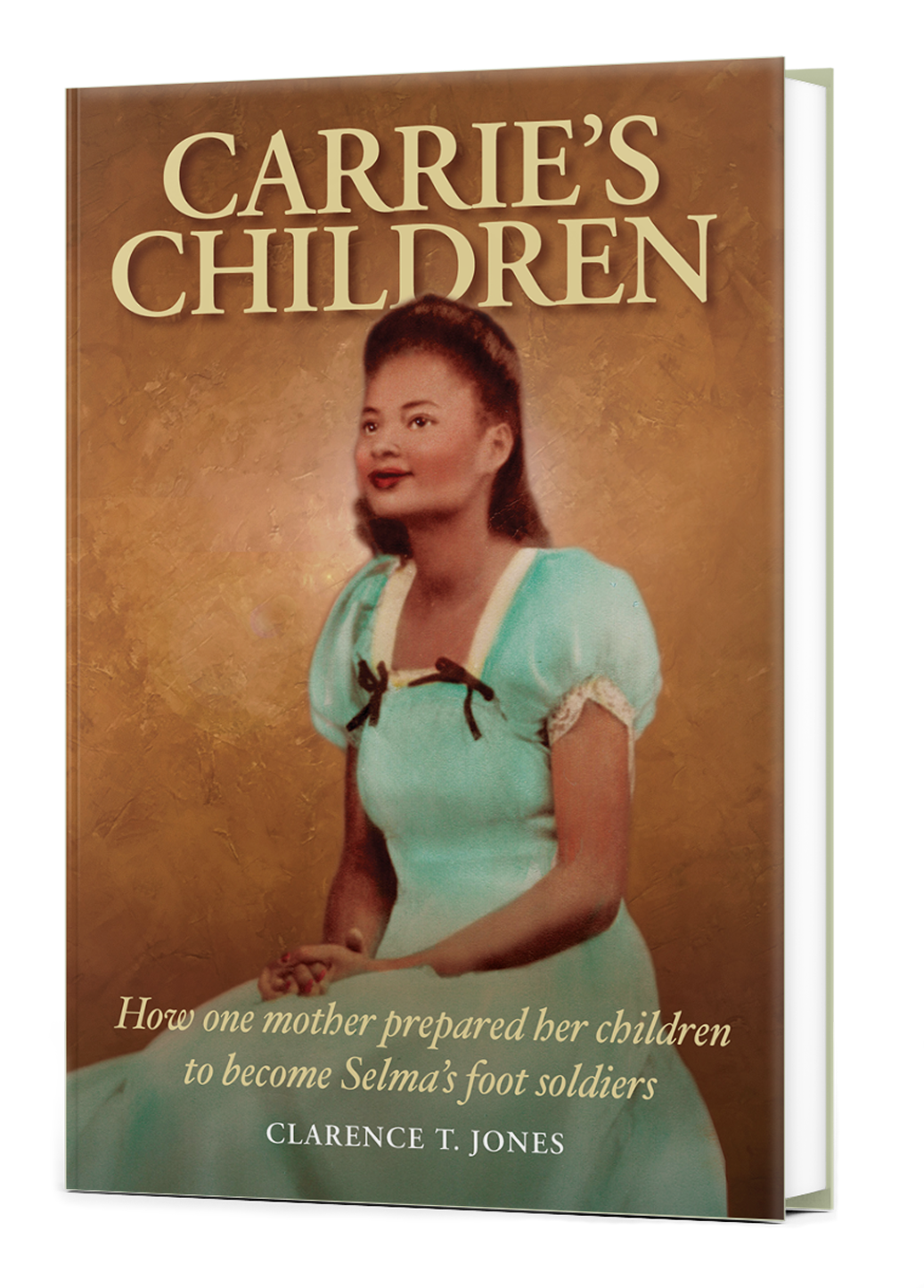
Carrie’s Children: How One Mother Prepared Her Children to Become Selma’s Foot Soldiers
Publication Details
Publication Date: March 2026
Publisher: Nouveau Press
Formats: Paperback, Hardcover, eBook
ISBN: 978-1-889101-15-6 (Paperback);
978-1-889101-14-9 (Hardcover);
978-1-889101-16-3 (eBook)
Our story
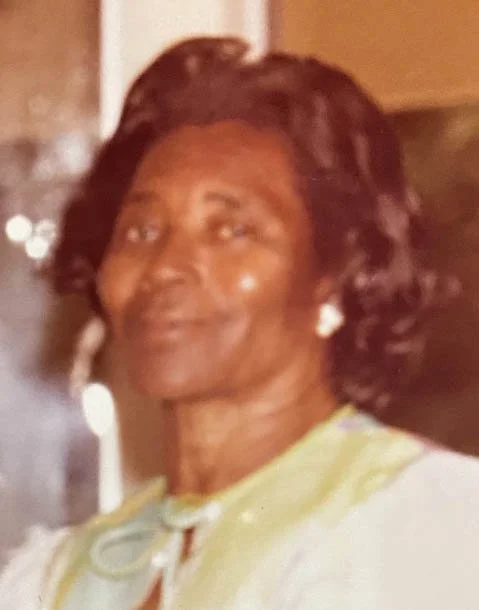
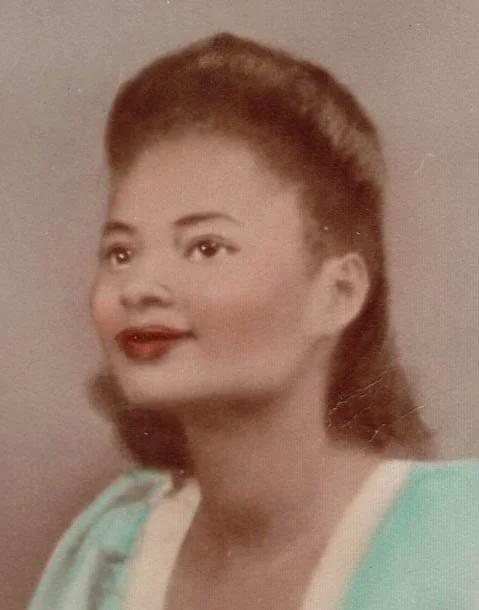
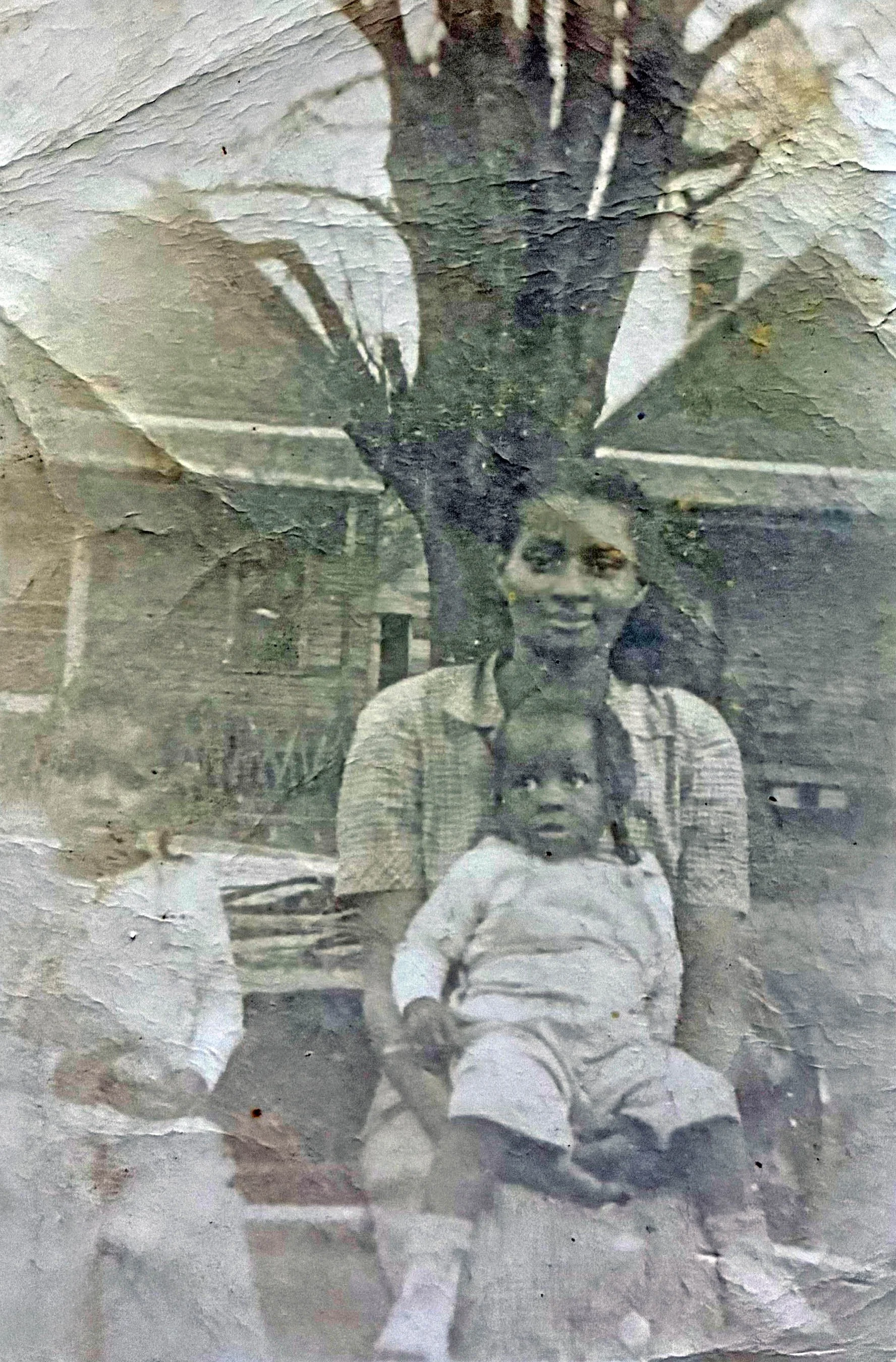
In the 1960s, in Selma, Alabama, Carrie Louise Lundy raised nine children as a single parent while working as a nurse, lab technician, and midwife. She sewed school uniforms on her Singer machine, taught her children to cook, and ensured they understood they were loved in everything she did.
She also made a decision that still takes one’s breath away: she deliberately prepared her children—some as young as ten—to become foot soldiers in the civil rights movement’s most dangerous activities.
Carrie’s Children: How One Mother Prepared Her Children to Become Selma’s Foot Soldiers documents one family’s participation in Selma’s civil rights organizing from a perspective rarely captured in existing literature: the children who marched, and the mother who spent years preparing them to do so.
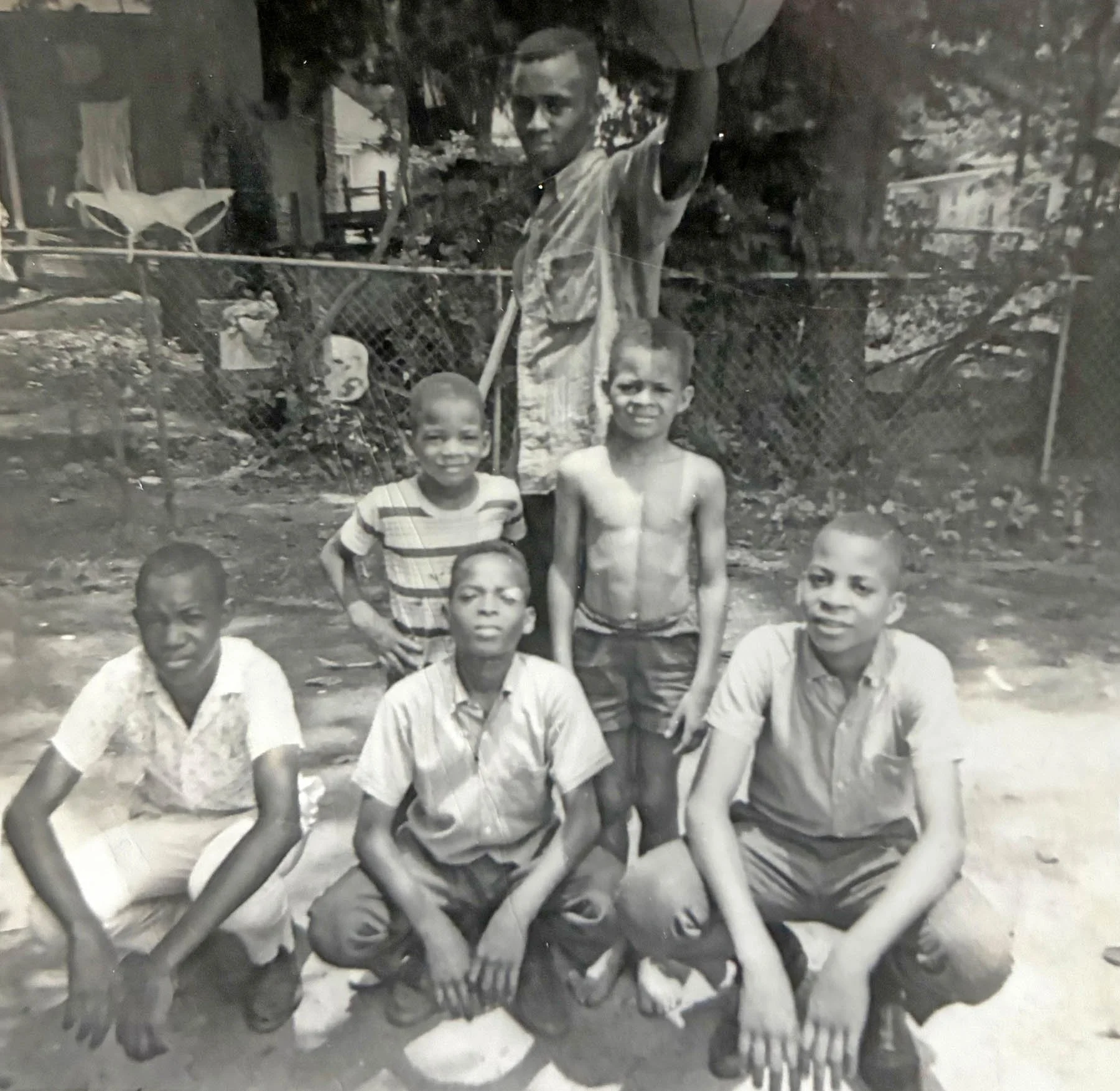
Growing up at 1421 Sylvan Street, just three blocks from Brown Chapel AME Church, the Jones children attended mass meetings led by Hosea Williams, John Lewis, and James Bevel, and others. They participated in sit-ins, voting rights marches, and both Selma to Montgomery marches—including the violence of Bloody Sunday on March 7, 1965, when twelve-year-old Clarence, his sisters, and cousins faced state troopers’ clubs and tear gas.
But the story begins years earlier, with Carrie’s deliberate preparation: teaching her children to cook so they could feed themselves and others, giving them responsibilities that built competence and confidence, and showing them, through Catholic education and daily example, what it meant to serve something larger than themselves.
This memoir reveals what made that participation possible—and what it cost.
The Father’s Service
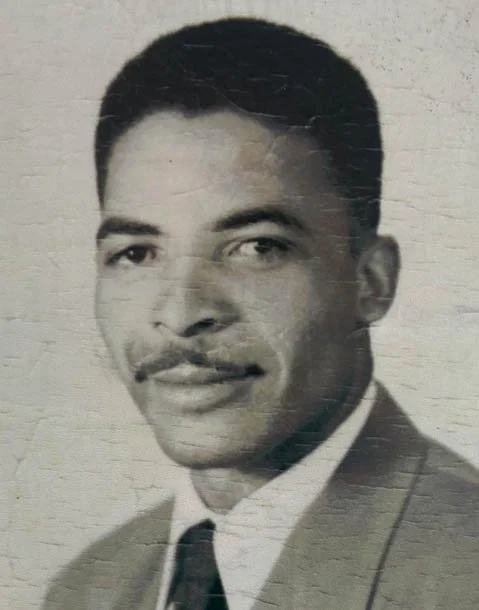
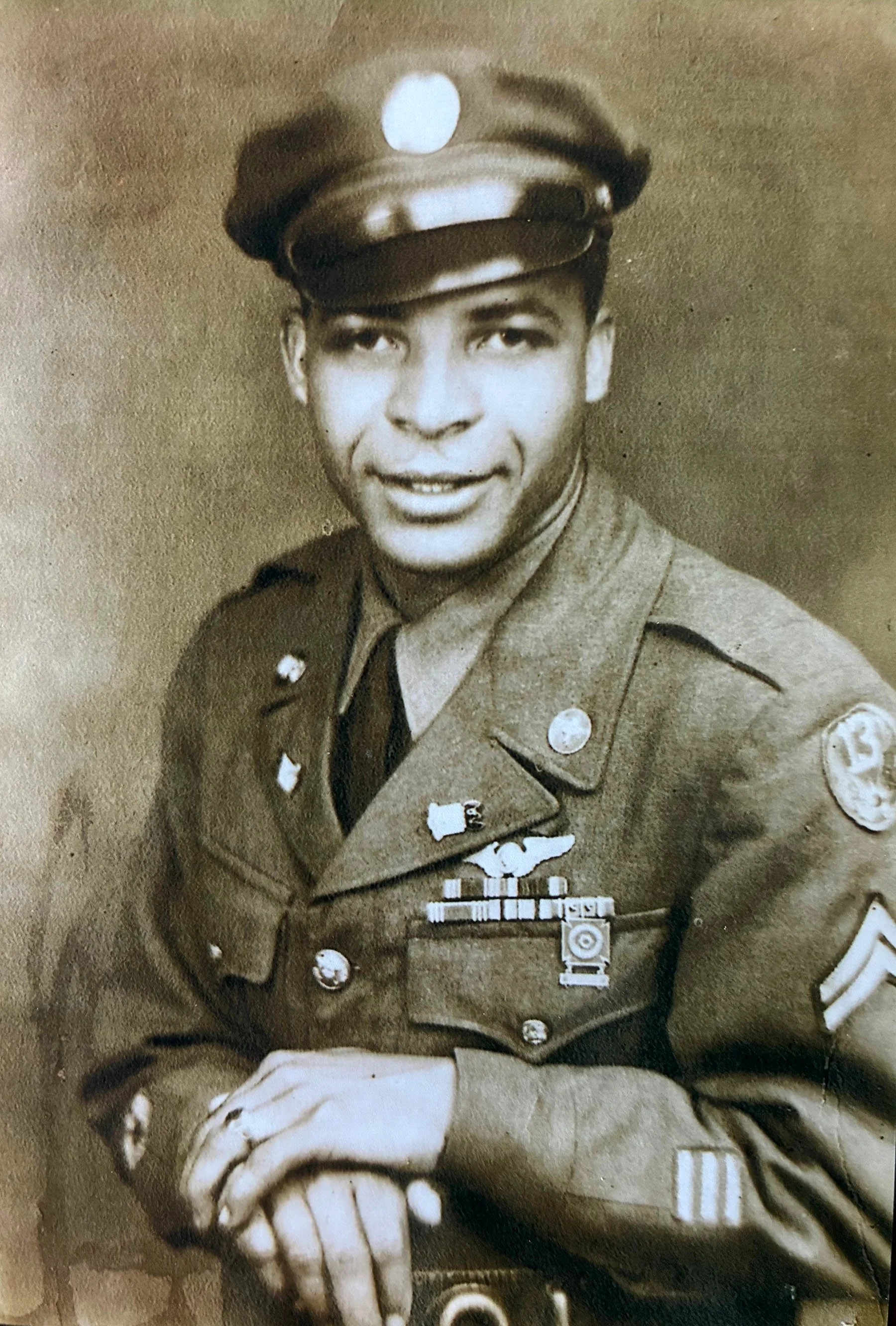
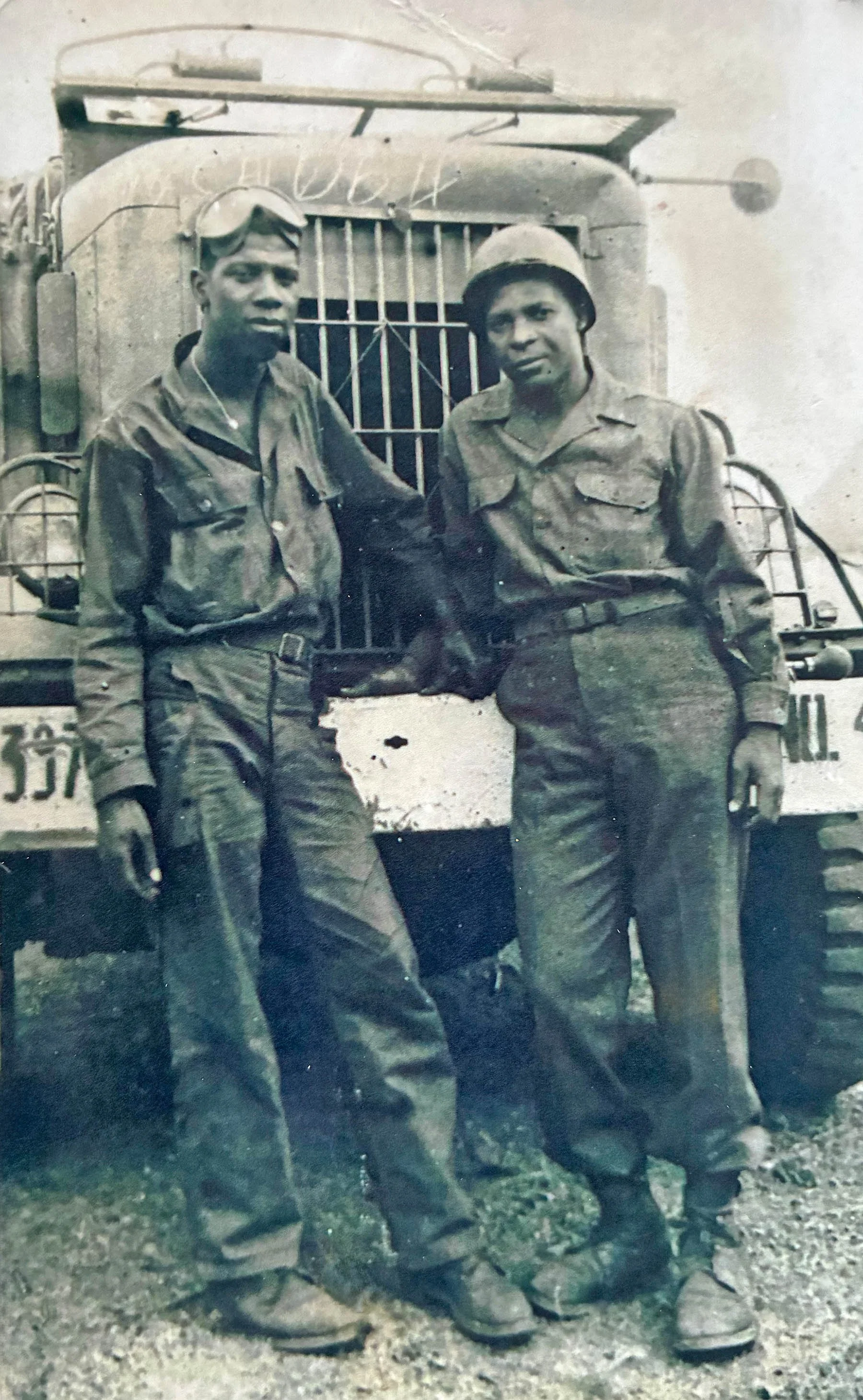
Clarence Jones Sr. served in World War II as an ammunition truck driver in the European theater. He returned home in 1946, married Carrie on July 22, 1946, and started a family. Though he died when the children were young, his military service represented what they would later march for: the freedom he'd helped defend abroad, but that was still denied at home.
Carrie carried forward his legacy of service and sacrifice, raising their children with the discipline, courage, and sense of duty he'd exemplified in uniform. His service in Europe became part of the family's understanding of what America could be—and what they were fighting to make it become.
Carrie made impossible choices: which child was ready, which activity was too dangerous, how to keep them safe while teaching them to be brave. This book documents her decision-making with the precision it deserves.
The Characters
HETTIE LUNDY — Grandmother, Matriarch, Our Pillar of Strength
The foundation. Raised her children at Green Street Baptist Church with dignity that no segregation could touch. Taught through cooking lessons and household responsibilities, that strength comes from preparation, not protection. Built into her daughter Carrie the radical belief that children rise to what you trust them with. Her kitchen was both a classroom and a sanctuary. St. Ann Street’s quiet architect of resilience.
CARRIE LOUISE LUNDY — Mother, Nurse, Midwife, Mommie
Carrie Louise Lundy raised nine children in 1960s Selma while working as a nurse, lab technician at Dr. Isabelle Dumont’s medical clinic, and midwife in the Black community — literally bringing new life into a world determined to diminish it. She sewed school uniforms on her Singer sewing machine, taught her children to cook and care for each other, and demonstrated love through everything she did. But her most extraordinary gift to her children was what she called being “raised to fly” — a parenting philosophy built on radical trust and high expectations rather than protection through control.
CLARENCE JONES SR. — The Impossible Distance
WWII ammunition truck driver who survived the war but couldn’t survive Alabama’s refusal to employ Black veterans. Married Carrie July 22, 1946. Traveled north seeking work, found economic displacement instead. The distance between Cleveland and Selma was unbridgeable — not by miles but by systems designed to keep Black families separated. Loved his children but couldn’t reach them. His absence shaped everything about how Carrie raised them.
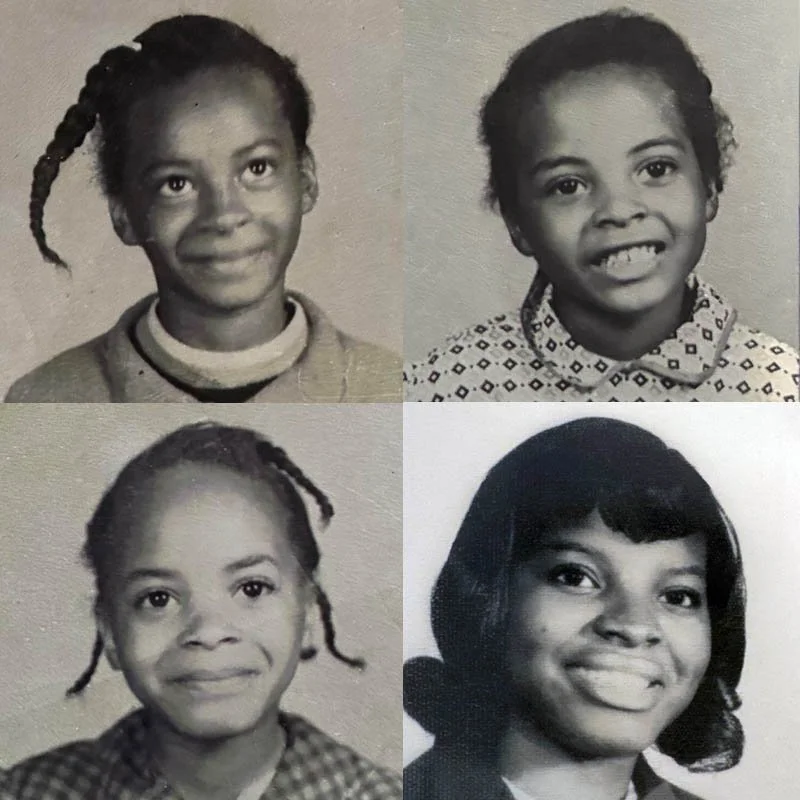
CARRIE’S GIRLS — The Daughters Who Learned to Fly
Gwendolyn, Carolyn, Yolanda, and Joan — each learned radical trust from a mother who sewed their uniforms and built their courage. Taught to cook, work, care for younger siblings, and carry responsibility with grace. Attended Saint Elizabeth Catholic School and Holy Rosary Institute, participated in mass meetings as children, and marched when history required it. Watched their mother demonstrate that love means preparation, not protection. They would grow to become women who understood that being “raised to fly” meant having wings strong enough to carry not just themselves but future generations.
CARRIE’S BOYS — The Sons Who Built Wings
Clarence (the eldest), his twin Frederick (who helped tend the ducks), and their brothers — learning responsibility through daily tasks, courage through radical trust. Altar boys at Saint Elizabeth for nine years, learning discipline and ritual while attending mass meetings for justice. Clipped ducks’ wings to keep them safe in the yard while Mommie built their wings strong enough to march. At ten, eleven, and twelve years old, they walked to Brown Chapel, faced state troopers on Bloody Sunday, and marched to Montgomery. Not because they were asked to be brave one day, but because Mommie had been building bravery in them all along.
COMMUNITY OF NEIGHBORS AND FRIENDS — The Hidden Network and Infrastructure
Mrs. Tena Smith and Miss Emma McCracken, "washwomen" who watched the children when Carrie worked. Mrs. Willie Mae Dawson, who cared for the twins as if they were her own, with sweets and S&H Green Stamps. Mr. and Mrs. Parnell, whose TV brought the world into the neighborhood on boxing nights. Ms. Elvira, who gave two ducks that became thirty-two. Dr. Isabelle Dumont, the German physician who chose Selma over Africa and gave Carrie both employment and training as a midwife.
The Sisters of Saint Joseph—missionary nuns who educated with rigorous standards. Father Maurice Ouellet, who led his Black congregation to the white Catholic church, teaching that faith demands action.
Neighbors who fed children. Teachers who prepared them. Church members who sustained them. Relatives who sent food from the country. Friends who helped when times were hardest.
Not random kindness. Infrastructure. The hidden network that allowed both survival and revolution.
1421 SYLVAN STREET — The House That Prepared Them
A modest house where daily life and history lived side by side. Three blocks from Brown Chapel AME Church, where mass meetings planned the activities that would change America. The Singer sewing machine hummed in one room, making school uniforms that meant dignity. The kitchen taught cooking lessons that were really lessons in precision, care, and competence. The backyard held thirty-two ducks whose wings were clipped each year—a daily reminder of the choice Carrie wasn’t making with her children.